- Home
- Garage Doors
- Garage Door Materials
Material Guide · Oconomowoc, WI
Garage Door Materials in Oconomowoc, WI
Steel, wood, composite, aluminum, fiberglass and vinyl all make good garage doors somewhere. The question is how each one holds up here, with deep cold, road salt, snowmelt and damp summer air off the lakes. This guide covers the honest strengths and weak spots of each material.
- Same-day service
- Price before we start
- Safety-tested
- Call EarlySame-day visits
- UpfrontPrice before work
- LocalLake Country team
Steel Doors
Steel Gauge Explained Lower Numbers Mean Thicker Steel
Steel is the most common garage door material in Wisconsin for good reason. It is strong, it comes in many styles and colors, and it can be insulated. But not all steel doors are alike, and the first spec to understand is gauge. Gauge is a measure of the steel's thickness, and the scale runs backward. A 24-gauge skin is thicker than a 25-gauge skin, which is thicker than a 27 or 28-gauge skin. Thicker steel resists dents and flexing better.
In practice, budget doors often use thinner steel, and higher-end doors use thicker steel or add a second steel skin on the inside. A thin single skin can dent from a bike handlebar or a kicked soccer ball and can flex in a strong west wind. A thicker skin backed by insulation feels solid when you knock on it. If you have kids, a busy driveway or a door that faces open lake wind, gauge is worth paying for.
The other half of steel's story is the coating. Good steel doors are galvanized, then primed and finished with a baked-on paint. That layered protection is what keeps rust away. Rust usually starts where the coating is broken, from a scrape, a dent or salt sitting on the bottom edge. Rinsing the bottom section during winter and touching up chips helps a steel door last much longer.
- 24 gauge: thickest common residential skin, best dent resistance
- 25 gauge: solid middle ground on many insulated doors
- 27 to 28 gauge: lighter and thinner, more prone to dents
- Galvanized steel plus baked-on finish resists rust
- Second inside skin adds stiffness and a finished look
- Bottom section takes the most salt, so check it each spring
Insulated Steel
Why Insulated Steel Wins So Many Wisconsin Driveways
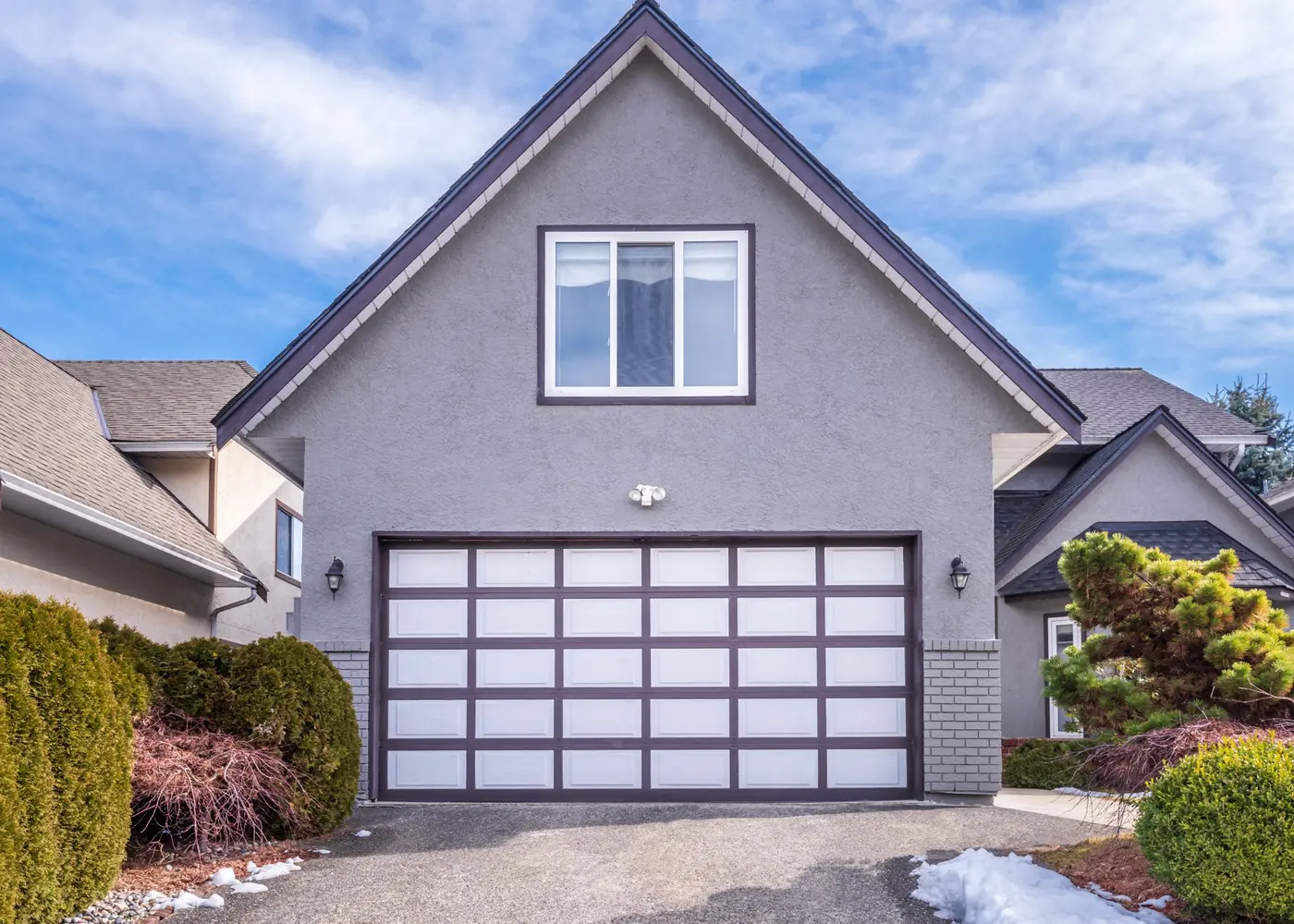
Insulated steel combines the toughness of steel with a core that slows heat loss and quiets the door. There are two common types of insulation. Polystyrene comes in rigid panels fitted into the back of the steel or between two skins. Polyurethane is injected as a liquid foam that expands and bonds to the steel on both sides. Bonded polyurethane makes a stiffer section, and it generally gives a higher R-value for the same door thickness.
That stiffness matters here more than people expect. When the temperature drops well below zero, a single-layer steel door can feel brittle and noisy, and moisture can freeze along its inside face. A foam-filled door stays quieter, holds its shape better and keeps frost off the inside surface. For attached garages with a bedroom or bonus room above, an insulated door is one of the simplest ways to make that space less of an icebox.
Insulated steel also handles humidity well, since there is no wood to swell or rot. The things to watch are the bottom seal, the section joint seals and the perimeter weatherstrip. Even the best panel will not keep the garage comfortable if the seals are torn or the floor has settled away from the bottom edge. We look at all of that when we talk about doors.
Natural Wood
Real Wood Doors Beautiful, With Real Upkeep
Nothing quite matches a real wood door on an older lake home or a historic house near downtown. Wood takes stain beautifully, shows real grain and can be built in carriage-house, raised-panel or custom designs. Species like cedar and redwood resist decay better than others, and a well-built wood door with quality joinery can look wonderful for many years. It is the traditional choice for the old summer estates around the lakes.
The tradeoff is maintenance. Wood absorbs and releases moisture with the seasons, and humid summers followed by dry, bitter winters put a lot of strain on joints and finishes. The bottom of the door sees snowmelt, splashed slush and road salt. Without regular refinishing, usually every few years depending on sun exposure, the finish breaks down, the wood grays and checks, and the bottom rail can start to rot.
Wood doors are also heavy, which affects spring size and opener choice. If you love the look and do not mind the care, wood is a great choice and we are happy to install one. If you want the look without refinishing, composite or a woodgrain steel door is worth seeing side by side before you decide.

What To Look For
Clues Your Current Material Is Not a Good Fit
Peeling Paint on Wood
If you are scraping and repainting a wood door every couple of years and the bottom still looks rough, the material may not suit your exposure. Composite or woodgrain steel keeps the look while dropping most of the upkeep.
Dents From Everyday Use
Thin steel doors pick up dents from bikes, balls and car doors. If the door looks beat up after a few seasons, a thicker gauge or an insulated door with a second skin will handle daily life better.
Rust Along the Bottom Edge
Rust spreading from the bottom up means salt and moisture have gotten under the finish. It happens most on single-layer doors with chipped coatings. A door with a better finish and good bottom seal holds up longer.
Frost Inside the Door
Frost or ice forming on the inside of the door during cold snaps means the door has little or no insulation. That cold spreads into the garage and into any rooms next to it or above it.
Swelling and Sticking Sections
Wood doors that bind in humid weather or show gaps in winter are reacting to moisture. When the joints open and close every season, they eventually loosen for good and the door stops sealing properly.
A Rattling, Noisy Door
A thin, empty steel door can boom and rattle every time it moves. A foam-filled door is noticeably quieter, which matters a lot when the garage sits below or beside a bedroom.
Our Process
How We Handle Garage Door Materials
- 1
Talk Through Your Needs
We ask how you use the garage, whether it is attached, how much upkeep you want, and what style the house calls for. That narrows the field of materials quickly.
- 2
Compare Real Samples
We bring material samples and finish chips so you can feel the weight, compare gauges, and see woodgrain and colors outdoors against your siding and trim.
- 3
Get a Clear Quote
You get a written price for the door you choose, with the hardware, removal and installation spelled out. Nothing is ordered until you approve it.
- 4
Install and Explain Care
After installation we explain the care that fits your material, from rinsing salt off steel to refinishing schedules for wood, so the door keeps looking right.
Wood-Look Options
Composite and Woodgrain The Look Without the Sanding
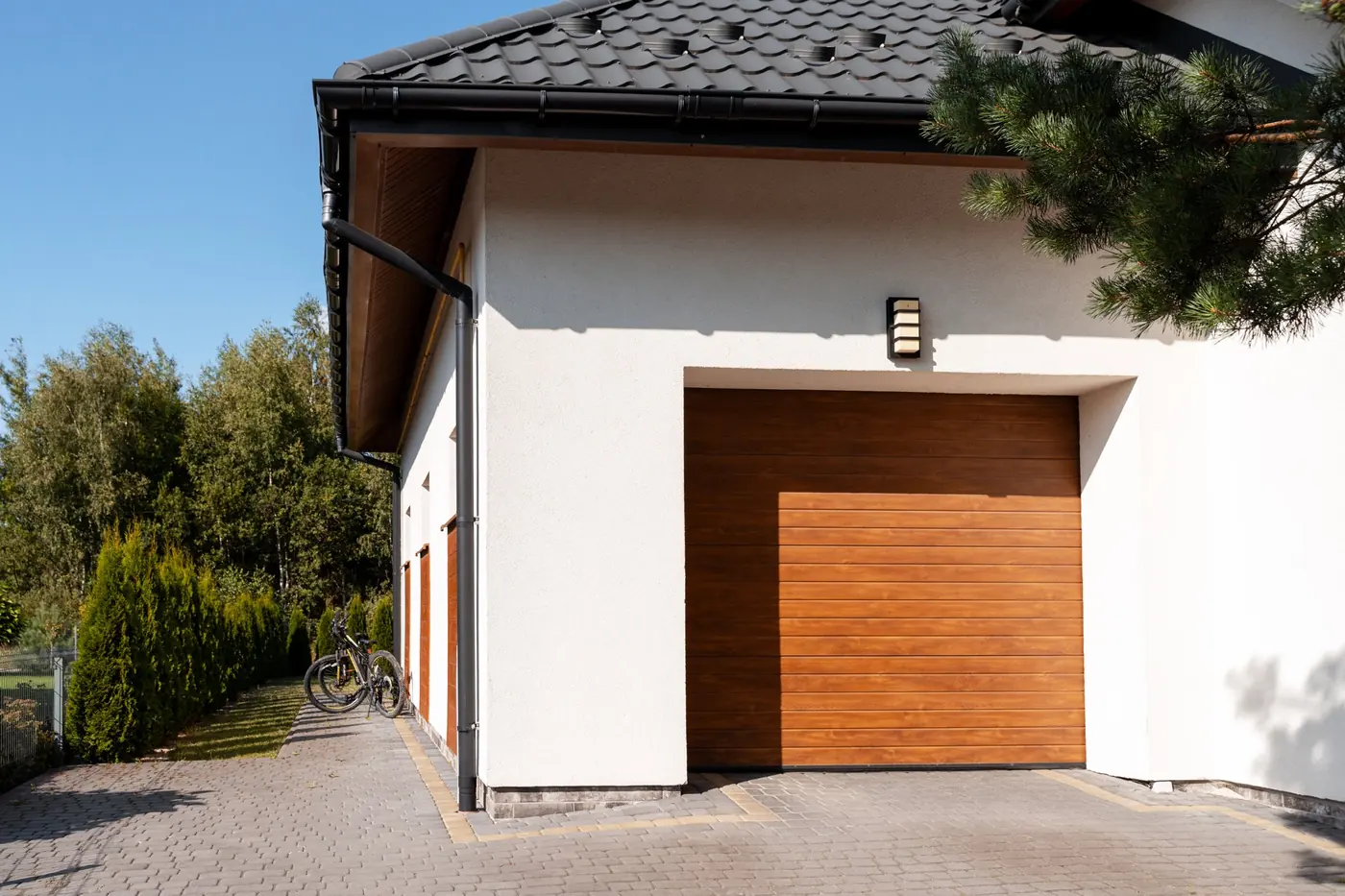
Composite doors are built from engineered materials, often wood fiber and resins molded into overlays, applied over a steel or composite base. From the street, a good composite carriage door can be very hard to tell from real wood. Because the material does not absorb water the way wood does, it resists rot, swelling and cracking, which makes it a strong fit near the lakes where the air stays damp through the summer.
Woodgrain steel is the other route. These are steel doors with a printed or laminated finish that imitates stained wood. They are lighter and often more affordable than composite, and they carry all the benefits of insulated steel. The look from the curb is convincing, though up close the texture tells you it is steel. Darker woodgrain finishes in direct afternoon sun should be chosen with care, since dark colors run hot.
Both options give owners of newer homes, such as the ones at Pabst Farms, the warm carriage-house style many of those houses were designed around, without signing up for refinishing every few summers. They also work well on older homes where the original wood door has finally given out but the owner wants to keep the character of the house intact.
Other Materials
Aluminum, Glass, Fiberglass And Vinyl Doors
Aluminum and glass doors, the full-view style with framed glass panels, give a modern look and flood the garage with light. Aluminum does not rust, which is helpful with road salt, but it dents more easily than steel and its frame conducts cold. Insulated glass helps, but these doors will not keep a garage as warm as a foam-filled steel door. They suit modern homes, lake houses with a contemporary design and garages used as workshops or studios.
Fiberglass doors are usually a fiberglass skin over a steel frame or insulated core. Fiberglass resists dents from small impacts, will not rust, and handles salt air and humidity well. It can be molded with a convincing wood texture. The weak point is cold. In very low temperatures fiberglass can become brittle and crack from a hard hit, and the color can fade over many summers of sun.
Vinyl doors are rare in this area but worth a mention. They resist dents, rot and rust, and they are easy to clean. The tradeoffs are limited styles and colors and a plainer look. In bitter cold, vinyl can stiffen and become more prone to cracking from impact. For most homeowners we see, steel or composite ends up being the better balance.

Local Know-How
Lake Air and Salt Shape Oconomowoc Material Choices
Homes on Lac La Belle, Fowler Lake and Oconomowoc Lake sit in damp air most of the summer, and that moisture works its way into wood joints and under chipped paint. Winter adds a different problem. Cars coming off Highway 16 and Highway 67 carry salty slush into the garage, and it melts against the bottom section for months. Then come the freeze-thaw cycles that open every small crack a little wider. That combination is why insulated steel and composite are such common choices in Oconomowoc. Real wood still has a place on the historic lake estates and older homes downtown, as long as the owner is ready for the upkeep.
Garage Door Materials FAQ
Questions About Garage Door Materials
Answers from the technicians who do this work across Oconomowoc every week.
Ask A Technician01What is the best garage door material for Wisconsin winters?
For most homes, insulated steel with a polyurethane foam core is the best all-around choice. It is strong, quiet, resists rust when the finish is intact, and keeps more cold out than a single-layer door. Composite is a close second when you want a wood look. The right pick still depends on your garage, budget and style, so we talk it through with you.
02Which steel gauge should I choose?
Lower gauge numbers are thicker. A 24 or 25-gauge skin resists dents better than a 27 or 28-gauge skin. If your door faces a busy driveway, kids at play or strong wind off open water, a thicker gauge or a door with a second steel skin inside is worth it. For a quiet detached garage, a lighter door may be fine.
03Is a wood garage door a bad idea near the lake?
Not at all, but it takes commitment. Humid summers and snowmelt test wood finishes, so plan to refinish on a regular schedule and keep an eye on the bottom rail. Rot-resistant species and quality joinery help. If you want the look with less work, compare a composite or woodgrain steel door before deciding. Many people are surprised how close they look.
04Do aluminum and glass doors work in cold weather?
They work, but they are not as warm as an insulated steel door. Aluminum conducts cold and glass loses heat faster than a foam-filled panel. Choosing insulated glass helps. These doors suit modern homes and workshops where light matters most. If the garage is attached to living space you want to keep warm, weigh that tradeoff carefully.
05How do I keep a steel door from rusting?
Rust starts where the finish is broken or where salt sits for long periods. Rinse the bottom of the door and the area around the seal a few times over the winter, especially after salty storms. Touch up chips and scratches with matching paint. Keep the bottom seal in good shape so slush does not pool against the steel.
06Can I see samples before choosing a material?
Yes. We bring samples and finish chips to the estimate so you can hold the materials, compare thicknesses and see colors outdoors against your house. Colors look different indoors and on a screen, so seeing them in daylight next to your siding and trim makes the decision much easier. Nothing is ordered until you approve the quote.

Oconomowoc Garage Door
Not Sure Which Material Fits?
Call and we will come out with samples, look at your house and garage, and help you compare materials in person. You will get a clear price before anything is ordered.
More Services
Other Ways We Help Oconomowoc Homeowners
Garage Door Styles
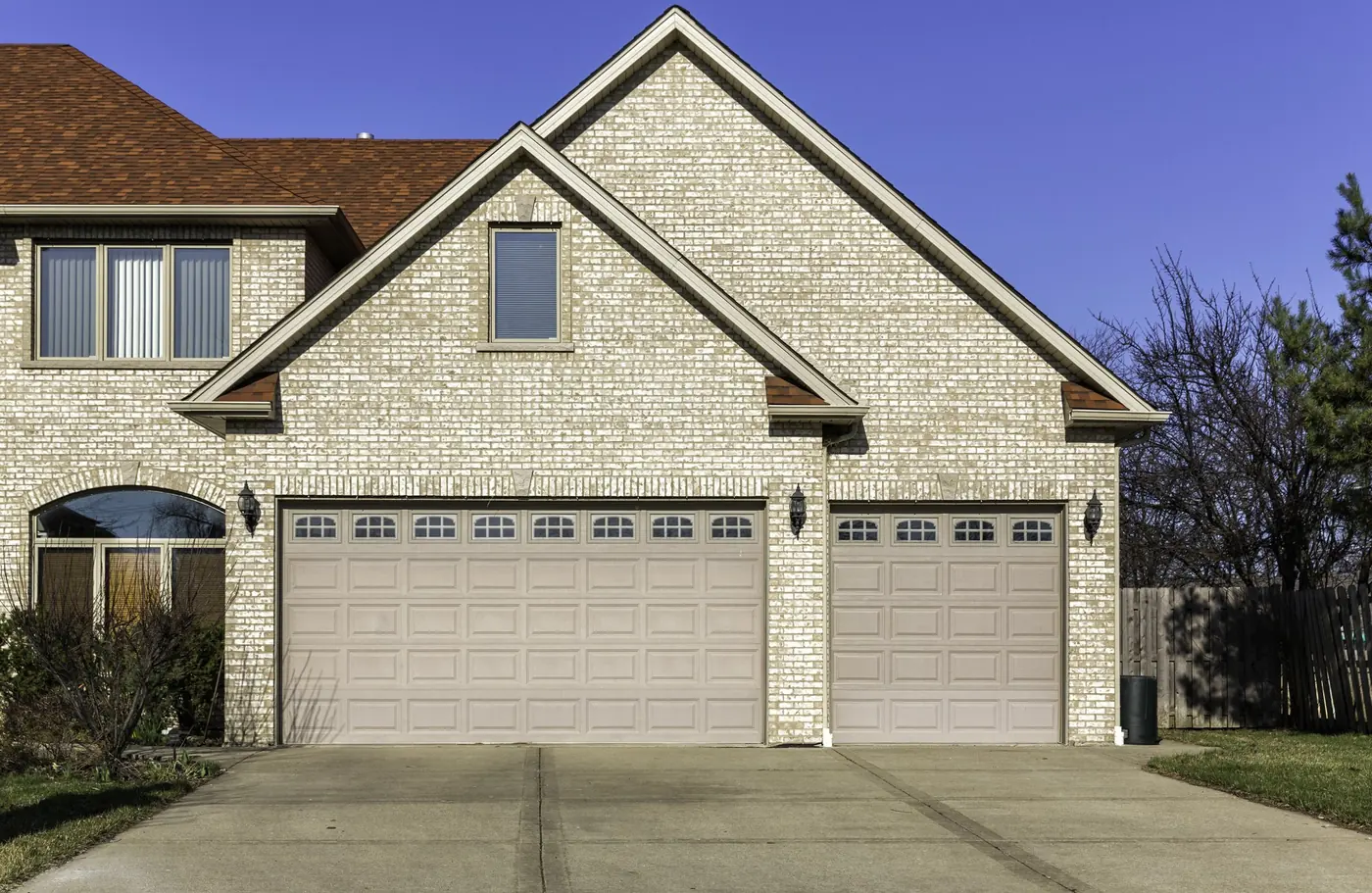
Raised panel, carriage house, modern flush or full-view glass, matched to your home.
Learn more
Custom Garage Doors
Custom sizes, tall boat and RV doors, real wood, arched tops and one-of-a-kind finishes.
Learn more
Opener Installation
Quiet belt, chain and wall-mount openers with smart control and battery backup.
Learn more